
Purchase SAP® S/4HANA® Cloud:
A Comprehensive Guide for Businesses
Introduction
If you're considering a transformation in your business operations, purchasing SAP S/4HANA Cloud solutions may be at the forefront of your strategy. This powerful cloud-based ERP software helps businesses simplify processes and drive digital transformation.
Understanding SAP S/4HANA Cloud
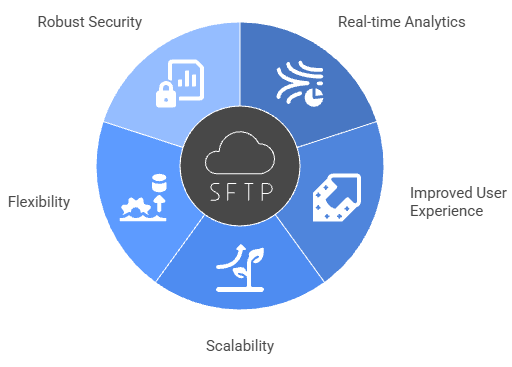
- Real-Time Analytics: Immediate access to key performance indicators (KPIs) allows for smarter decision-making.
- Improved User Experience: SAP Fiori's user-friendly interface enables a seamless navigation experience.
- Scalability and Flexibility: Easily adjust to your business’s growing needs.
- Security: Built-in security features keep your data safe in the cloud.
- Purchasing SAP S/4HANA Cloud opens up new opportunities for businesses striving for efficiency and growth.

Processes Involved in Purchasing SAP S/4HANA Cloud
- Assess Business Needs: Before initiating a purchase, it is important to review your current systems and find any gaps. Evaluate workflows, determine pain points, and contemplate future business objectives.
- Gather Stakeholder Input: Engage relevant stakeholders across departments. Ensure alignment among IT, finance, and operations to guarantee a cohesive decision-making approach.
- Select the Right Vendor: Choose an authorized SAP partner or vendor based on your needs. Research reviews, ask for references, and inquire about their deployment processes.
- Create a Purchase Proposal: Develop a detailed proposal that outlines the budget, resources required, and expected outcomes. Present this to decision-makers for approval.
- Implementation Planning: A successful purchase is just the beginning. Plan the implementation process carefully, including timelines, training, and change management strategies.
- Purchase Agreement: Once all factors are considered and approved, engage in a purchase agreement. Ensure that the terms meet your organization’s needs.
Challenges in SAP S/4HANA Sales Module
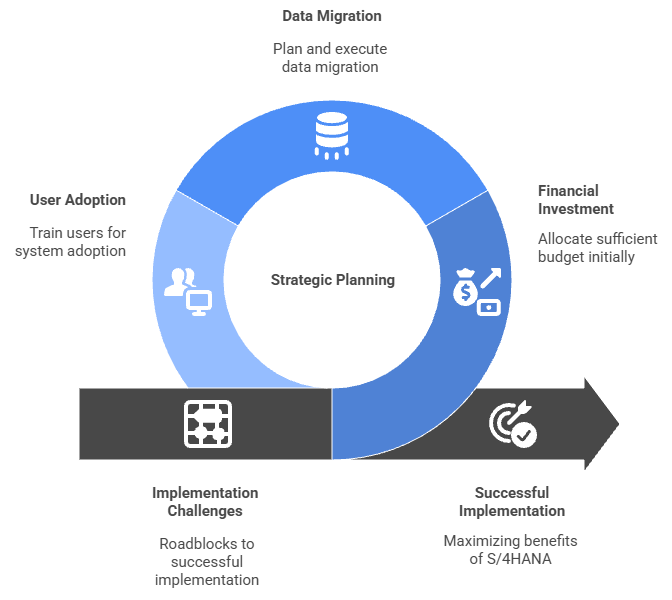
- High Initial Costs: The initial investment for purchasing SAP S/4HANA Cloud can be a significant hurdle, particularly for small and mid-sized enterprises. It's essential to evaluate the total cost of ownership.
- Change Resistance: Organizational resistance can arise during the implementation of new systems. Employees may be hesitant to adapt to new processes and tools, which can hinder efficiency.
- Integration Issues: Compatibility with existing systems can pose challenges. Thoroughly assess how SAP S/4HANA Cloud will integrate with legacy systems.
- Data Migration Concerns: Moving data from outdated systems to the cloud can be daunting. Proper planning is crucial to ensure that data remains intact and accessible.
- Training and Upskilling: Employees may require extensive training before effectively using the new ERP system. Ensuring adequate training resources and support is vital for a smooth transition.
Solutions to Overcome Challenges
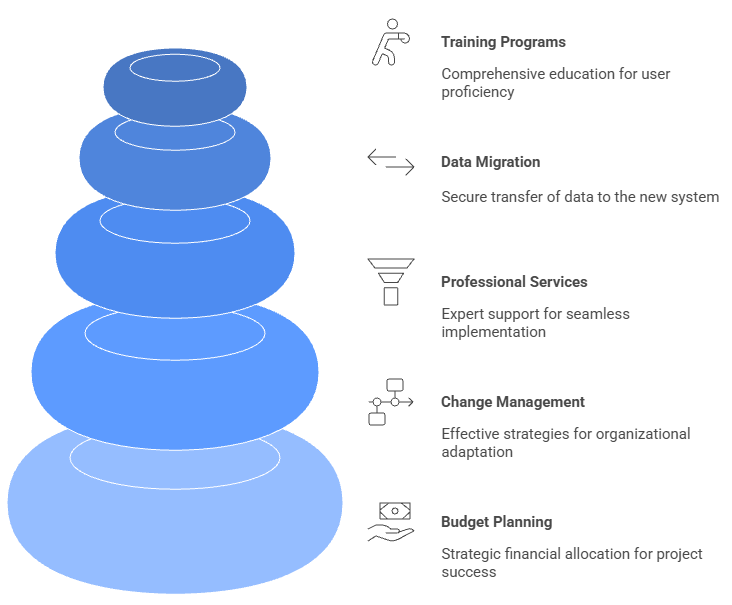
- Budget Planning: To manage costs effectively, prepare a comprehensive budget that includes long-term operational savings and benefits. Consider the cost-reduction benefits that SAP S/4HANA Cloud can provide.
- Change Management Strategies: Foster a culture of innovation and improvement by communicating the benefits of the new system to all employees. Provide incentives for embracing change.
- Leverage Professional Services: Engage SAP-certified consultants or partners who specialize in implementation services. They can help smooth any integration hurdles and provide expertise.
- Data Migration Tools: Utilize SAP's data migration tools to ensure a seamless and safe transition. This minimizes the risk of errors during the migration process.
- Comprehensive Training Programs: Implement a structured training program tailored to your team’s needs. Offering ongoing support can also encourage adoption and ease apprehensions about the new system.
Conclusion
Purchasing SAP S/4HANA Cloud is not only a decision for today; it is a step towards enhanced operational efficiency and future growth. By understanding the processes involved, recognizing the challenges, and employing strategic solutions, businesses can successfully navigate the complexities of this transformative journey.